Grey-Market Peptides & Bulk Storage — Safe Organization for Research Compounds (BPC-157, TB-500, CJC & More
Updated on: 2026-05-22
Scaling a research peptide inventory means more vials, more batches, and more chances for mix-ups. This guide shows how to build a lab-grade, bulk storage system using rigid 3D-printed cases, modular layouts, and simple labeling so everything stays upright, indexed, and easy to audit. Informational only — not medical or legal advice.
Table of Contents
- Why bulk peptide storage needs structure
- Why 3D-printed cases beat precision-cut for bulk setups
- Modular layouts: 3 mL, 5 mL, 10 mL + 30 mL BAC
- Fridge vs. room temp (and what never to freeze)
- Indexing, labeling, and batch rotation
- Cleaning & handling best practices
- Featured bulk & lab cases (Bottom-of-Funnel)
- FAQ
- Disclaimer
1) Why bulk peptide storage needs structure
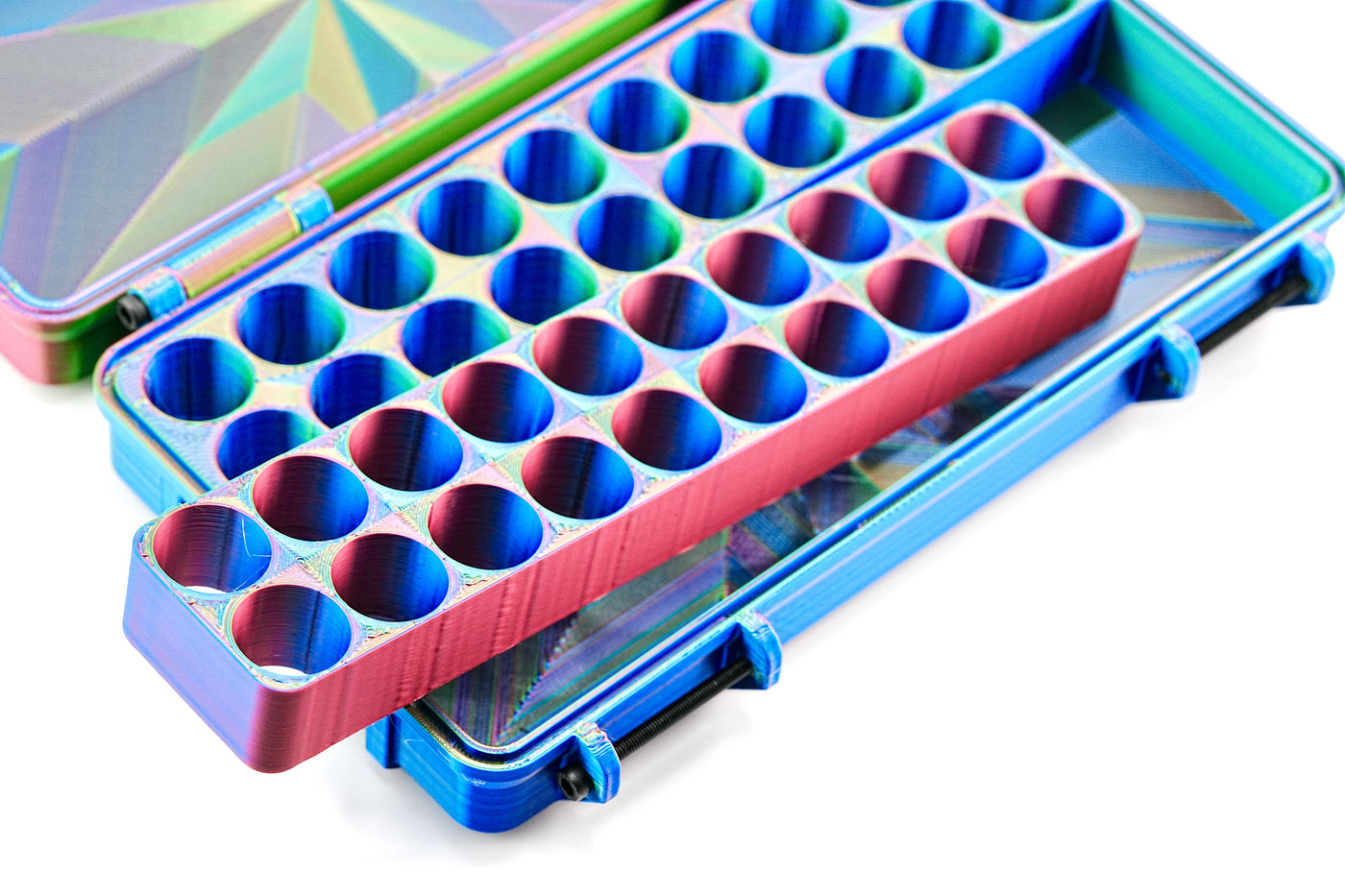
Grey-market and research-use peptides (BPC-157, TB-500, CJC-1295, GHK-Cu, etc.) often show up in mixed vial sizes with variable labels. Without a system, vials tip, labels wear off, and batches get misplaced. A structured case keeps every vial upright and isolated, with dedicated cavities for BAC water and enough headroom to protect caps and labels during shelf and door movement.
2) Why 3D-printed cases beat precision-cut for bulk setups
- Rigid & washable: Polymer inserts maintain slot tolerances, resist compression, and wipe clean.
- Exact-fit indexing: Slots are sized for 3 mL / 5 mL / 10 mL so vials don’t wobble or grind labels.
- Stackable & modular: Trays and cases nest neatly so you can scale capacity without a complete re-work.
- Fridge-friendly: Stable geometry helps during door swings; no soggy precision-cut or collapsing cells.
precision-cut is great for travel shock absorption, but 3D-printed cases shine in the fridge where you want repeatable slotting, easy wipe-downs, and long-term indexing.
3) Modular layouts: 3 mL, 5 mL, 10 mL + 30 mL BAC
Start with the vial size you handle most (often 3 mL), then layer in 5 mL/10 mL rows for mixed protocols (e.g., GLP-1 + ancillaries). Reserve a protected 30 mL cavity for BAC water, and use color caps to mark reconstitution status or weekday dosing.
- High-throughput lab: Large, multi-row cases (100–200+ slots) with a simple A–F / 1–10 grid map.
- Home lab: Mid-size cases (12–24 slots) for daily access + a separate bulk rack for back stock.
- Hybrid: One bulk case near the main fridge shelf + one compact “active” case on the door or top shelf.
4) Fridge vs. room temp (and what never to freeze)
- Lyophilized (unmixed) powder: Cool, dark, dry storage; avoid sunlight and steam (bathrooms).
- Reconstituted vials: Refrigerate on a stable shelf (36–46°F / 2–8°C), away from freezer coils and spills.
- Never freeze: BAC water or mixed peptide solutions; freezing can stress containers and destroy labels.
5) Indexing, labeling, and batch rotation
- Slot map: Assign each tray a letter and each column a number (e.g., B-3). Keep a printed card or QR to a simple sheet.
- Intake label: Compound, lot/batch, date received. After reconstitution, add diluent + concentration + date mixed.
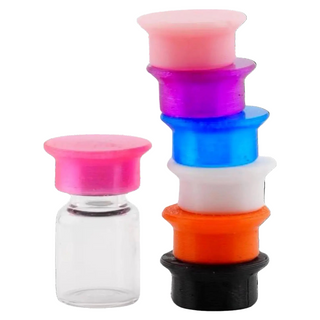
- Color code: Vial caps by compound or day; reserve one color for expiring items to pull first.
- Cycle counts: Weekly five-minute walk-through: verify counts, wipe slots, and rotate older vials forward.
6) Cleaning & handling best practices
- Wipe trays periodically; do not soak. Dry fully before re-loading.
- Keep labels dry; avoid condensation and drips from fridge shelves.
- Replace worn caps; keep stoppers shielded from dust and pocket debris.
- Segregate “ambient” powder stock from “cold” mixed stock to avoid confusion.
7) Featured bulk & lab cases (Bottom-of-Funnel)
Real, in-stock items from our catalog — sized for bulk organization, fridge stability, and modular scaling:


8) FAQ
Are 3D-printed cases safe in a lab fridge?
Yes — rigid polymer inserts tolerate typical 2–8°C conditions, resist moisture, and keep their geometry during door swings.
Should I store powder and reconstituted vials in the same case?
Keep them separate: an ambient case for powders and a fridge-only case for mixed vials. It’s clearer, cleaner, and safer for labels.
What’s the easiest way to prevent label wear?
Use rigid slots (no wobble), keep vials upright, avoid condensation, and add over-caps to protect stoppers from dirt and pocket debris.
Disclaimer
This article is for informational and organizational purposes only. It does not provide medical, legal, or regulatory advice. Products shown are intended for lawful storage and organization of laboratory materials or prescribed medications. Follow local regulations and your product labeling.
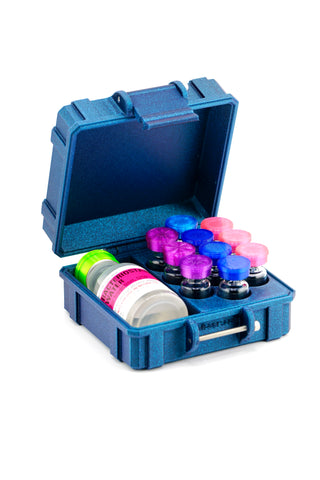
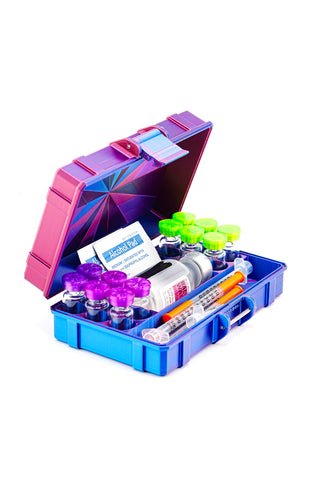
Find your perfect case
Hard-shell, dust-free storage for every vial size. Made in the USA and backed by our 30-day guarantee.
Shop 3 mL Vial Cases →