New to GLP-1 or Peptide Therapy? Here’s How to Travel, Train, and Store Safely
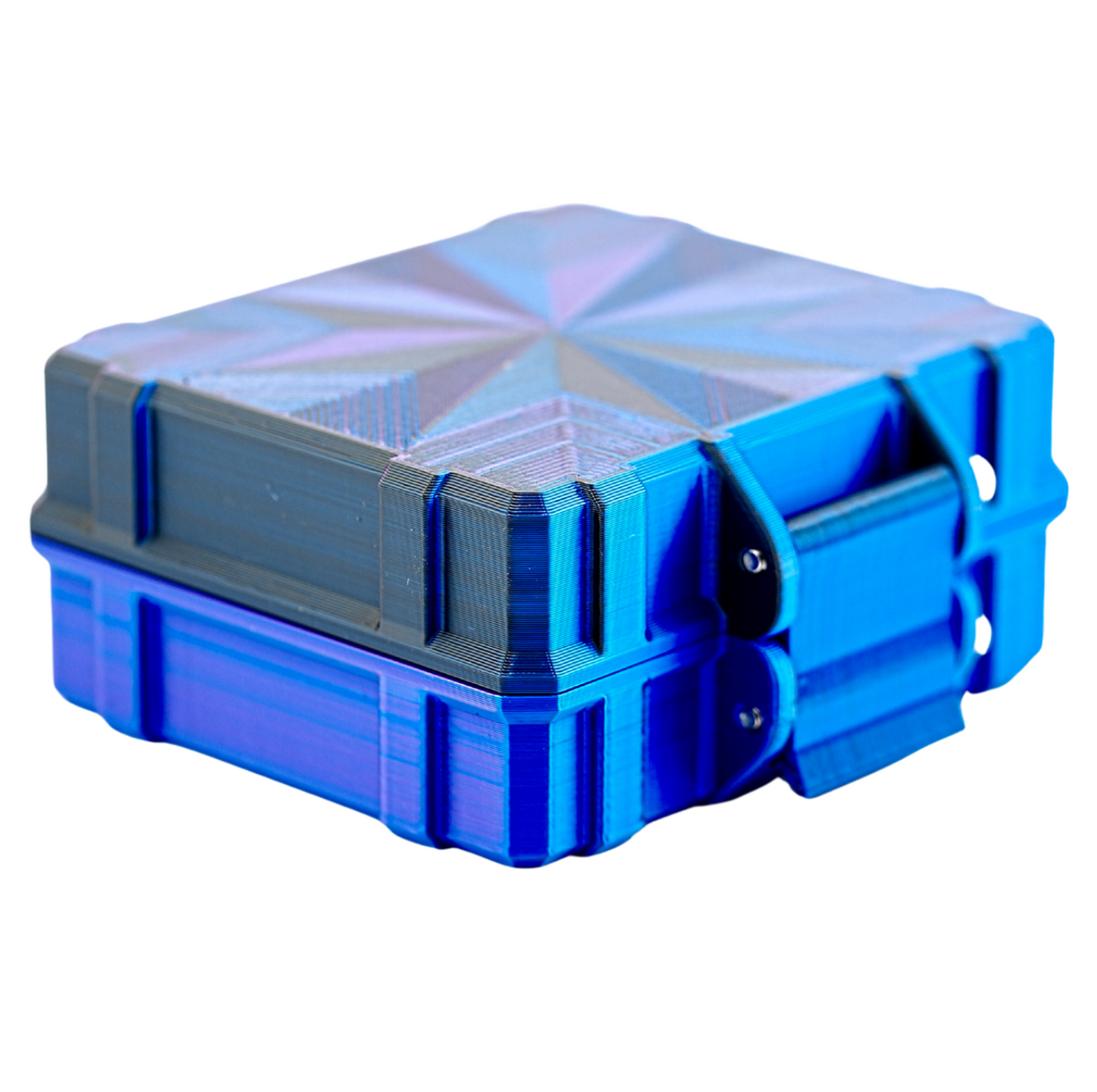
New to GLP-1 or Peptide Therapy? Here’s How to Travel, Train, and Store Safely
Starting GLP-1 therapy or peptide use for fitness recovery can be exciting—but also confusing when it comes to storage, travel, and daily handling. Whether you’re hitting the gym, traveling for work, or sailing on a cruise, keeping your vials at the right temperature and protected from impact is essential. Let’s go over the basics of how to store, travel, and stay organized with GLP-1s and peptides.
1. GLP-1 & Peptide Storage Basics
Most GLP-1s (like semaglutide and tirzepatide) and popular peptides (like BPC-157 or TB-500) should be kept refrigerated between 36–46°F (2–8°C). If you’re traveling, insulated storage or small cooling cases can help maintain temperature stability for up to 8 hours. Avoid direct ice contact, which can freeze compounds and damage their structure.

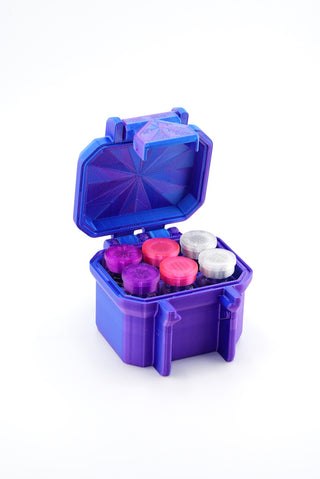
6-Slot 10 mL Vial Case — perfect for storing GLP-1 or peptide vials at home or in a gym bag. The rigid shell protects vials from drops and keeps them upright in cool packs.
2. Traveling with GLP-1 and Peptides
When flying or cruising, always keep your vials, syringes, and pens in your carry-on. TSA allows medically necessary liquids, gels, and syringes when declared at security. For cruises or road trips, use compact cases with gel packs or built-in insulation to avoid heat exposure. Keep a printed or digital copy of your prescription handy for smoother customs checks.

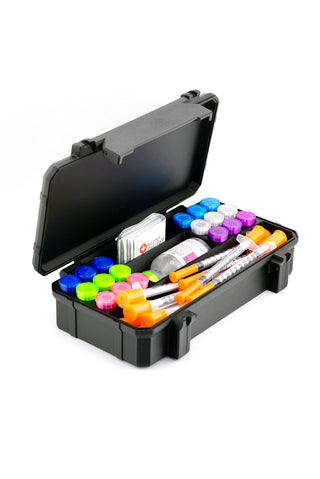
Vial Travel Case — lightweight and small enough for backpacks or carry-ons. Great for cruise travel or long flights to keep vials safe and temperature-controlled.
3. Taking Your Routine to the Gym
Many users store one or two peptide doses in a compact vial case for post-workout injections. For gym use, avoid leaving vials in hot cars or gym lockers. Instead, use a travel box with gel inserts or refrigerate at work if available. Keeping your peptides organized not only preserves potency but also reduces cross-contamination risk.

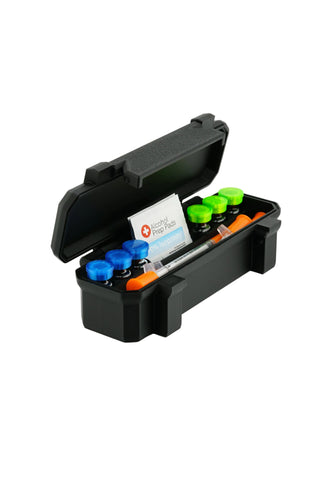
2-Slot Peptide Shot Box — designed for daily gym use. Fits pre-loaded syringes or peptide vials securely and keeps them upright during travel.
4. How Long Can GLP-1s and Peptides Stay Out of the Fridge?
Unopened GLP-1 medications like Ozempic or Mounjaro can generally stay at room temperature (below 86°F / 30°C) for a few weeks, depending on the brand. Always check your product label. Most peptides, however, lose potency quickly at room temperature, so refrigeration is highly recommended for extended trips.

Compact Peptide Cooler Case — fits two vials plus mini ice inserts. Ideal for short gym sessions or day trips when refrigeration isn’t available.
5. Beginner’s Packing Checklist
- ✅ Carry-on case for vials and syringes
- ✅ Gel or cooling packs (TSA-approved)
- ✅ Prescription label or doctor’s note
- ✅ Alcohol wipes and sharps container
- ✅ Backup syringes or pens for multi-day trips
The minimum-viable setup for a new GLP-1 or peptide user: one storage case, BAC water, syringes, and alcohol pads. No upsells, no fluff — just the kit that gets you safely from first vial to first injection.
Frequently Asked Questions (FAQ)
Can I fly with GLP-1 or peptide vials?
Yes. TSA and most airlines allow medically necessary injectables and syringes. Keep them in a clear, labeled container and declare them if asked.
Can I take GLP-1 medications to the gym?
Yes — but keep them in a cool, padded case and avoid extreme temperatures. If you’re injecting post-workout, use clean surfaces and store syringes safely afterward.
Do peptides go bad if they warm up?
Yes. Most peptides lose potency above 46°F (8°C). Always store reconstituted peptides in the fridge, and use travel coolers or vial cases with gel packs when away from home.
Which case is best for cruise or gym travel?
Compact organizers like the 2-Slot Shot Box or 6-Slot Vial Case are ideal — they’re durable, lightweight, and fit inside a backpack or gym bag.
Disclaimer: This information is for educational purposes only and not medical advice. Always consult your physician or pharmacist for specific storage and handling instructions.
Find your perfect case
Hard-shell, dust-free storage for every vial size. Made in the USA and backed by our 30-day guarantee.
Shop Travel-Ready Rugged Cases →