How to Store and Travel With TRT: Safe 10 mL Vial Storage & Organization Tips
How to Store and Travel With TRT: Safe 10 mL Vial Storage & Organization Tips
Calculate your TRT injection volume
Test cypionate at 200 mg/mL or enanthate at 250 mg/mL — the free GLP1 Calculator includes both TRT presets, plus dose ladders for 50/75/100/125/150/200 mg per week. Get the exact mL and unit count without doing the math yourself.
TRT is simple when your gear is organized and your medication is stored correctly. The most common format for testosterone replacement therapy is the 10 mL multi‑dose vial in an oil base. That vial is sturdy, but it still needs protection from heat, light, and impact. Whether you’re dosing at home, commuting to the gym, or flying for work, the right case makes your routine faster, safer, and more discreet.
1) Home Storage for 10 mL Testosterone Vials
Oil‑based testosterone (cypionate, enanthate) is usually stored at controlled room temperature and away from direct light. A dark cabinet or drawer works well; avoid bathroom humidity and car interiors where temperatures can swing. Keep the vial upright so the rubber stopper stays wet and seals properly. Write the date you opened the vial on the label so you can track beyond‑use timelines provided by your pharmacy.
Organization matters just as much as temperature. Keep your vial, syringes, needles, alcohol pads, and a small sharps solution in one place so nothing goes missing on dose day. Multi‑slot cases are perfect here — they protect the glass and keep labels readable so you don’t mix up needle gauges or compounds.

Mixed Vial Case | 16-Slot 3 ml Vial Case & 6-Slot 10 ml Vial Case Slots | Organizer for GLP-1, Peptides, Research — built around 10 mL vials — foam slots keep bottles upright so oil-based TRT doesn’t leak in transit. Shop Now →
2) Weekly Dose Kit: Build Once, Re‑use for Months
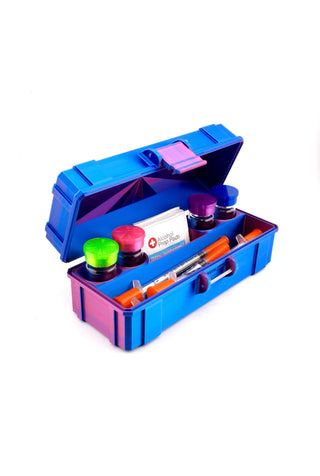
Most TRT protocols are weekly or twice‑weekly. A compact “dose kit” streamlines the process: one 10 mL vial, several sterile syringes, two needle gauges (one for drawing, one for injecting), alcohol pads, and bandages. Load everything into a rigid case so it travels from your cabinet to your gym bag without shifting. If you draw up in advance, always cap needles and store preloaded syringes in a shot box that prevents plungers from moving.

Large Combo Vial Case | 35-Slot 3 ml Vial Case & 10-Slot 10 ml Vial Case Slots | Organizer for GLP-1, Peptides, Research — a compact chest for 10 mL storage; labels stay readable and the shell resists gym-bag impacts. Shop Now →
3) Traveling With TRT: Cars, Flights, and Hotels
Oil‑based testosterone is more forgiving than many biologics, but it still hates extremes. Never leave a 10 mL vial in a hot or freezing car. For road trips, pack the vial inside a padded organizer placed in the main cabin of the car — not the trunk. For air travel, keep TRT in your carry‑on, not checked bags. Medically necessary liquids and syringes are permitted by most airport authorities when declared. Keep the vial in its original labeled container and carry a copy of your prescription; this speeds up inspections and avoids questions.
At the hotel, store your kit at room temperature in a dark drawer. If you’re crossing several time zones, set reminders so your dosing interval stays consistent. Keep used sharps in a travel container until you can dispose of them safely according to local rules.

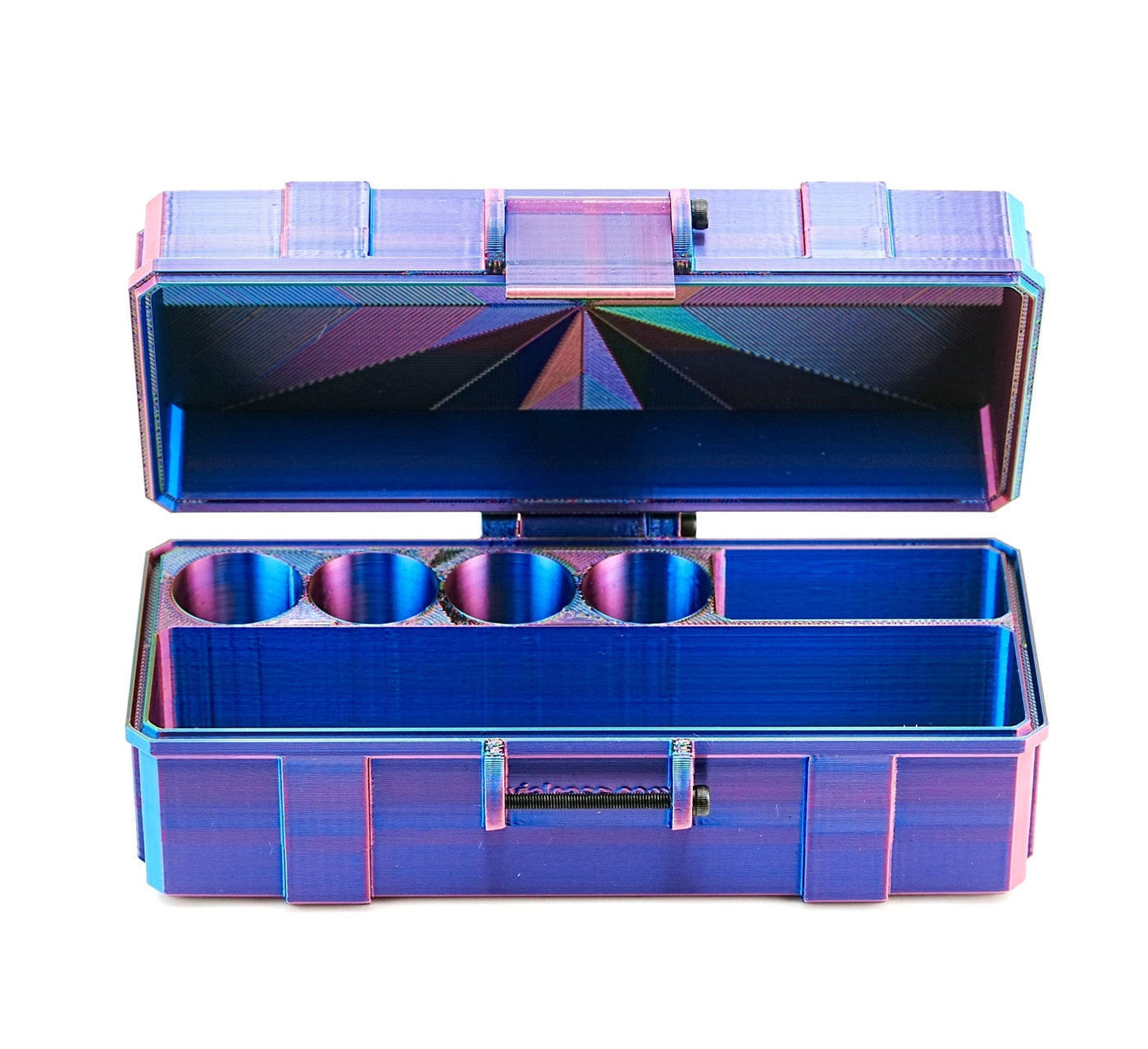
4-Slot 10 ml Vial Case | Compact Organizer | Organizer for GLP-1, Peptides, Research — room for 10 mL testosterone plus syringes and alcohol pads — ideal for weekly pin kits. Shop Now →
4) Temperature FAQs for TRT
Because TRT vials are oil‑based, refrigeration is not typically required and may even make the solution thick and difficult to draw. If a label or pharmacy instruction suggests a temperature range, follow it exactly. As a general rule, aim for a steady, cool room temperature and avoid direct sun. On hot travel days, store the case in the middle of your bag, not against an outside pocket that bakes in the sun.
5) Syringe & Needle Organization (Draw vs. Inject)
Many TRT users prefer a larger gauge needle for drawing and a finer gauge for injecting. Keep each gauge in its own labeled pocket so you don’t have to guess when you’re in a hurry. If you pre‑load doses, make sure plungers are stable and caps are on. A rigid shot box prevents accidental plunger movement and protects needle tips in transit.

4-Slot 10 ml Vial Case with Storage Compartment | Organizer for GLP-1, Peptides, Research — rigid shot-box for preloaded syringes; caps protect tips and keep everything inspection-ready. Shop Now →
6) Security & Discretion
Travel with confidence by packing a clean, minimal kit. A neutral case looks like a tech organizer and keeps medical items out of sight. At security checkpoints, declare syringes and medication if asked. Having your name on the vial and a copy of the prescription reduces friction. If you need to self‑administer on the road, do so in a private, sanitary location and follow disposal rules for sharps.
7) Quick Checklist for TRT Storage & Travel
- Store 10 mL vials at stable room temperature, away from light and heat.
- Keep the vial upright and record the first‑use date on the label.
- Use a rigid multi‑slot case to protect glass and keep labels readable.
- Separate draw and inject needles; pack alcohol pads and bandages.
- Carry‑on for flights; keep original labels and prescription copy.
- Use a travel sharps container for used needles; dispose properly.
TRT vials are bigger than peptide vials. The case has to be sized for the 10 mL footprint with separate slots for IM syringes, alcohol pads, and a Hospira BAC bottle if you cycle vials.
Frequently Asked Questions (FAQ)
Do TRT 10 mL vials need refrigeration?
Generally no — most oil‑based testosterone vials are stored at controlled room temperature unless your pharmacist instructs otherwise. Refrigeration can thicken the oil and make drawing more difficult.
Can I fly with testosterone vials and syringes?
Yes. Pack them in your carry‑on, keep the original label visible, and bring a copy of your prescription. Declare syringes at security if asked and keep everything organized in a protective case.
What’s the safest way to carry preloaded syringes?
Use a rigid shot box that prevents plungers from moving and protects capped needle tips. Store away from heat and out of direct sun when traveling.
Which case should I pick for a 10 mL vial?
Choose a case designed for 10 mL bottles with foam slots and room for needles and pads. Look for rigid shells that handle gym bags and road trips without crushing the vial.
Disclaimer: This article is informational and not medical advice. Always follow your clinician’s and pharmacist’s instructions for storing and administering prescription medications.
Find your perfect case
Hard-shell, dust-free storage for every vial size. Made in the USA and backed by our 30-day guarantee.
Shop 10 mL Vial Cases →