How to Travel With Peptides and GLP-1 Medications: Air, Cruise & International Tips
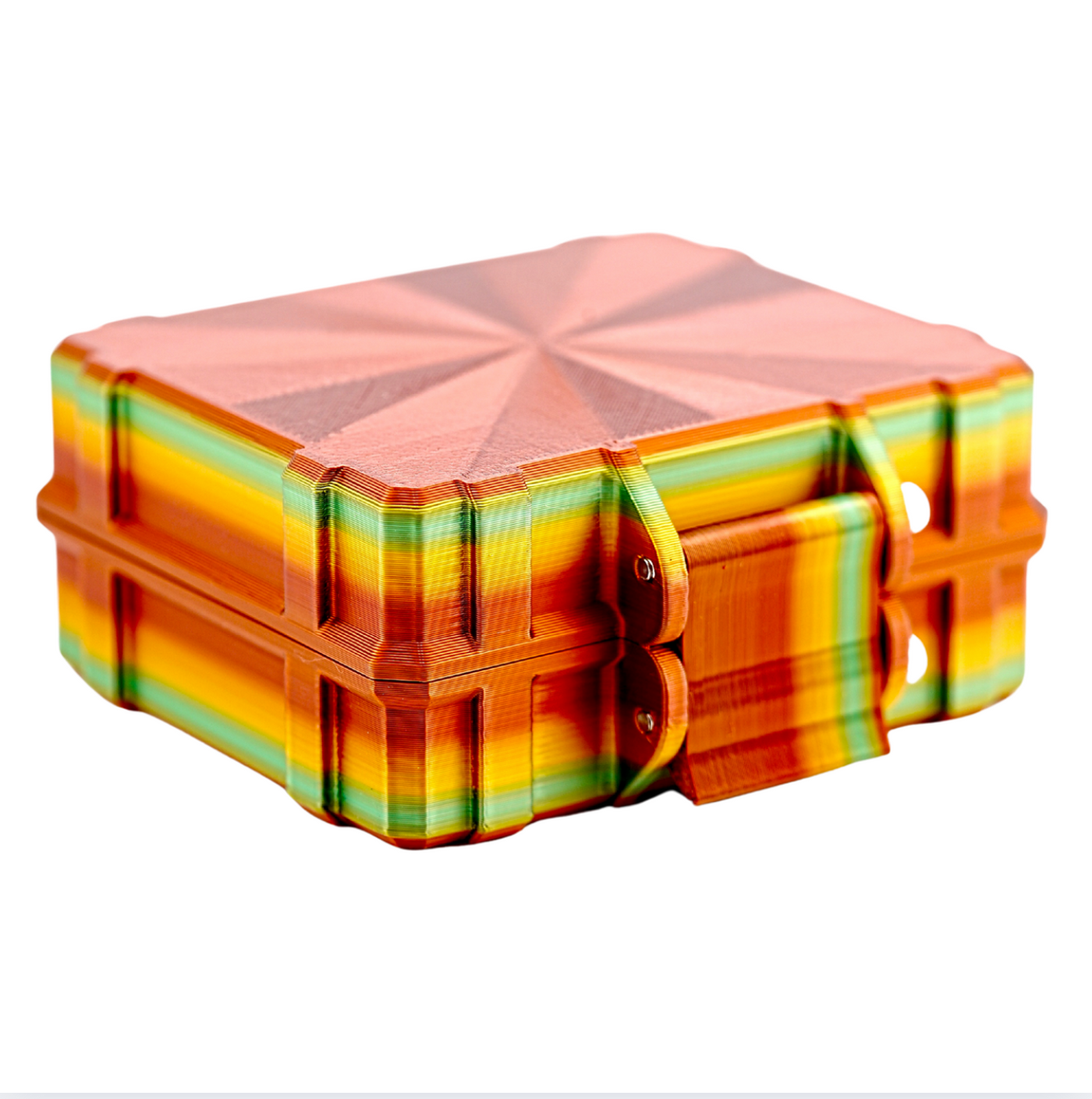
How to Travel With Peptides and GLP-1 Medications: Air, Cruise & International Tips
Pre-calculate every dose before you pack
Print or screenshot your reconstitution math before traveling — the free GLP1 Calculator gives you exact mL, U100 units, and doses-per-vial for any peptide. Especially useful when reconstituting at hotels or houses without your usual setup.
Whether you’re managing a GLP-1 medication like semaglutide or building a peptide routine for recovery and wellness, traveling with injectables doesn’t have to be stressful. With the right cases, a simple packing plan, and a few security best practices, you can fly, cruise, and cross borders confidently. This guide walks through carry-on preparation, temperature control, onboard storage, and the exact gear that protects your vials and syringes on the move.
1. Keep Medications With You — Never in Checked Bags
Checked luggage can be delayed, overheated, or tossed around. Always keep GLP-1 pens, peptide vials, and syringes in your carry-on. Place everything in a dedicated case so items are easy to declare and inspect. Label vials clearly and keep a copy of your prescription or a doctor’s note.

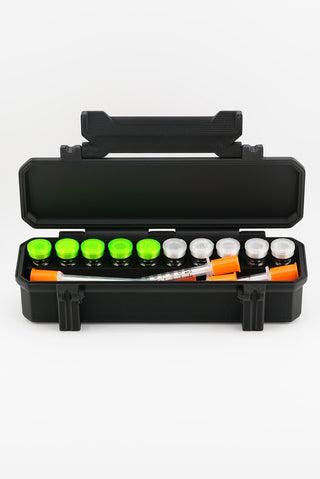
12-Slot 3 ml Vial Case with BAC & Storage — compact, protective storage for fragile vials during flights and cruise boarding; fits easily in a backpack or carry-on. Shop Now →
2. TSA & Airport Security: What to Expect
Medically necessary liquids, gels, and syringes are permitted in carry-on baggage in the United States. At the checkpoint, tell the officer you’re carrying prescription injectables. Keep your kit accessible and stored in clear pouches. Unused syringes are allowed when accompanied by medication; used syringes should be secured in a sharps container until disposal.
3. Cruise & International Travel: Fridges, Shore Days, Customs
Most cruise cabins include a mini-fridge; if yours doesn’t, request a medical refrigerator from Guest Services. For shore days, use an insulated case with gel packs to keep vials between 36–46°F (2–8°C). When returning to the U.S. or entering another country, keep meds in original labeled containers and declare them if asked. Personal-use quantities are typical; avoid carrying commercial quantities or unlabeled vials across borders.

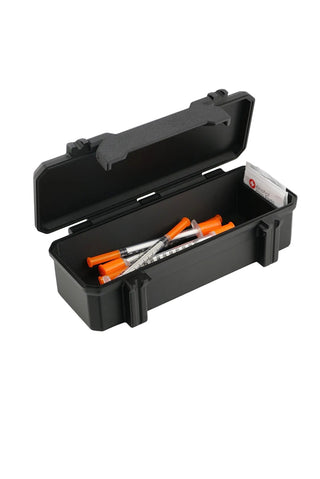
4-Slot 3 ml Vial Case — Compact Organizer — keeps GLP-1 pens or peptide vials cool with reusable gel inserts for shore days and long connections. Shop Now →
4. Temperature Control Basics
Many GLP-1s and peptides should be kept refrigerated at 36–46°F (2–8°C). On long travel days, pack reusable gel packs and wrap them so vials don’t touch ice directly. Add a small thermometer strip to your kit so you can verify temperature at a glance. On flights or in hot ports, store your case in the shade inside your bag — not in direct sun.
5. Organization That Prevents Mistakes
Separate vials by compound and dose so you don’t mix them up under travel stress. A multi-slot organizer keeps labels readable and protects glass from impact. Keep alcohol wipes, spare needles, and a compact sharps container in the same kit so you’re never rummaging when you need a dose.

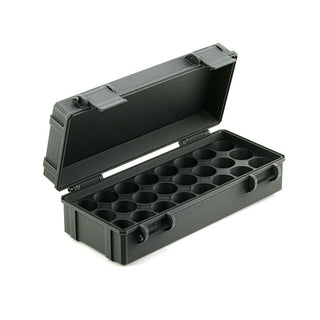
50-Slot 3 ml Vial Case — Bulk Storage Organizer — organizes multiple 3 mL / 10 mL vials in separate slots so labels stay readable and doses stay on schedule. Shop Now →
6. Packing Checklist for Air & Cruise Travel
- Carry-on vial or pen case (never check meds).
- Reusable gel packs + small towel or pouch to prevent freezing.
- Printed prescription/doctor’s note; keep meds in labeled containers.
- Alcohol wipes, spare needles, and a travel sharps solution.
- Thermometer strip to monitor temperature during connections and shore days.
Frequently Asked Questions (FAQ)
Can I fly with peptide vials and syringes?
Yes. They are allowed when medically necessary. Keep them labeled, declare them at security, and pack them in your carry-on in a protective case.
How do I keep GLP-1 or peptide meds cold on travel days?
Use insulated cases with reusable gel packs and avoid direct contact between ice and vials. Many travelers add a thermometer strip to confirm safe temperatures.
Do cruise ships have refrigerators?
Most cabins include a mini-fridge. If yours doesn’t, request a medical fridge from Guest Services. For excursions, bring a compact cooler case with gel inserts.
What’s the best case for international trips?
Choose a rigid organizer that protects glass and keeps items separated for easy inspection, plus a small insulated case for shore days and long connections.
Disclaimer: This guide is informational only and not medical advice. Always follow your clinician and product labeling for handling, storage, and dosing.
Find your perfect case
Hard-shell, dust-free storage for every vial size. Made in the USA and backed by our 30-day guarantee.
Shop Travel-Ready Rugged Cases →