Semaglutide Reconstitution: How to Organize a 30 mL BAC + Vials Kit (Storage, Travel & Safety)
Semaglutide Reconstitution: How to Organize a 30 mL BAC + Vials Kit (Storage, Travel & Safety)
Building a clean, organized setup for semaglutide reconstitution starts with the right case. Many users keep a 30 mL bottle of bacteriostatic water (BAC) alongside small peptide or GLP‑1 vials, alcohol pads, and syringes. The goal isn’t just convenience—it's safety, consistency, and protecting fragile glass when you’re at home or on the move. This guide shows how to pack a reconstitution kit, what to consider for storage and travel, and which cases make the process smoother and safer to manage.
Why Case Design Matters for Reconstitution
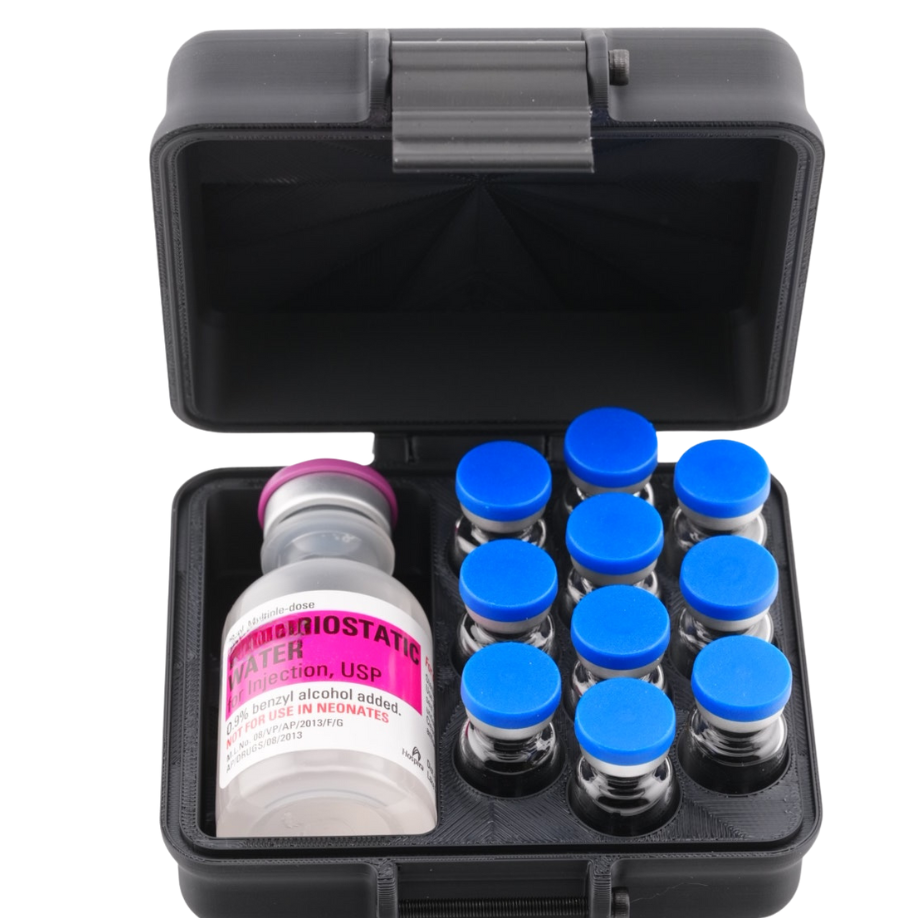
Reconstitution workflows are easier when each item has a fixed place. A mixed‑slot case with foam cutouts keeps a 30 mL BAC bottle upright and secure, while smaller slots hold 3 mL or 10 mL vials. That separation prevents accidental mix‑ups, protects labels from smearing, and reduces the chance of a vial rolling off the counter. A proper case also prevents crushing in backpacks, gym bags, or carry‑ons—and looks discreet so your kit doesn’t draw attention.

Mixed Vial Case | 4-Slot 3 ml Vial Case & 1 BAC Slot | Organizer for GLP-1, Peptides, Research — holds a 30 mL bacteriostatic water bottle plus multiple 3 mL or 10 mL vials in foam slots; ideal for organized reconstitution kits. Shop Now →
Choosing Capacity: 30 mL BAC + 3 mL/10 mL Vials
Most reconstitution kits use a single 30 mL BAC bottle and several smaller vials. If you’re preparing multiple batches or traveling, choose a case with both a wider cavity for the 30 mL bottle and multiple small slots for finished vials. Look for: (1) rigid shell protection; (2) dense foam that actually grips glass; (3) an accessory bay for alcohol pads and needle tips; and (4) lids that close without stressing vial caps.

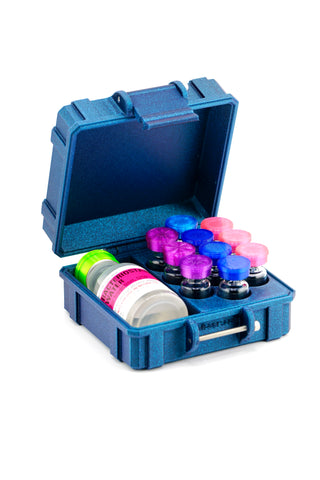
6-Slot 30 ml BAC Vial Case | Organizer for GLP-1, Peptides, Research — compact mixed-vial layout with space for BAC, syringes, and pads—great for travel or home setups. Shop Now →
Organization & Labeling (Clean Workflow)
Label BAC, reconstituted vials, and any syringes clearly with dates and contents. Keep clean items (sterile syringes, alcohol pads) away from used or open items to avoid cross‑contamination. A case with dedicated accessory storage helps maintain a clean workflow—no loose needles or pads floating around your bag. For home stations, store the kit in a cool, dark drawer; for travel, keep it in your carry‑on to avoid temperature swings.
Storage & Temperature Notes (Informational Only)
Semaglutide handling and storage can vary by product and preparation. As a general note, protect reconstituted solutions from heat and direct light and follow your pharmacist’s or clinician’s label for storage ranges and beyond‑use dating. Many users prefer to keep sensitive vials refrigerated (e.g., 36–46°F / 2–8°C) when instructed to do so, then use insulated cases with gel packs during transport. Always avoid direct ice contact that could freeze a vial or crack glass.
Travel Tips: Air, Cruise & Land Borders
When traveling, pack your kit in your carry‑on, not checked luggage. Keep vials and BAC in original labeled containers and be ready to declare medical items at security. Medically necessary liquids and syringes are generally permitted when properly labeled and presented. On cruises, request in‑cabin or medical‑grade refrigeration if your label requires it; for shore days, use compact coolers with reusable gel packs. For international trips, carry your prescription and a brief physician note describing your supplies.

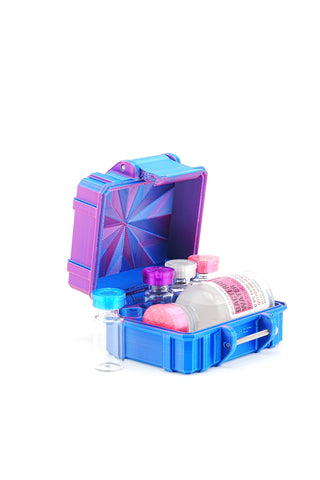
Mixed Vial Case | 12-Slot 3 ml Vial Case, 3-Slot 5 ml Vial Case & 1 BAC Slot | Organizer for GLP-1, Peptides, Research — separate sections for vials and accessories keep labels readable and prevent cross‑contamination of clean supplies. Shop Now →
Building a Smooth, Repeatable Routine
Consistency beats complexity. Keep your kit pre‑packed with the same layout every time: BAC in the wide slot, empty vials in row one, finished vials in row two, alcohol pads to the left, needles and syringes to the right. That simple muscle memory reduces mistakes and speeds up your workflow. A case that opens flat on a countertop is ideal—no wobble, no rolling, everything presented at a glance.
Safety & Disposal Basics
Use fresh alcohol pads when preparing surfaces. Dispose of used needles in a travel sharps container if you are away from home, then follow local disposal rules. Never toss needles loose in household trash. Keep kits and sharps away from children and pets, and store supplies discreetly to protect your privacy.

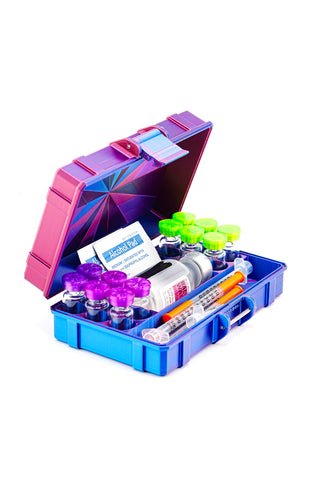
20-Slot 3 ml Vial Case with Syringe & Alcohol Pad Storage | Organizer for GLP-1, Peptides, Research — rigid protection for glass during transport; easy to present at checkpoints with items neatly arranged. Shop Now →
Packing Checklist for a 30 mL BAC + Vials Kit
- 30 mL bacteriostatic water (labeled), plus empty or prepared vials.
- Rigid case with a wide cavity for BAC and foam slots for 3 mL/10 mL vials.
- Sterile syringes/needles, alcohol pads, and a compact sharps solution.
- Reusable gel packs and a thermometer strip if cold storage is required by your label.
- Prescription label and a brief doctor’s note for smooth security checks.
Frequently Asked Questions (FAQ)
Can I fly with a 30 mL BAC bottle and vials?
Yes—when medically necessary and properly labeled. Pack supplies in your carry‑on, declare syringes if asked, and keep documentation handy. Keep fragile glass in a rigid case.
How do I keep vials cool during travel?
Use an insulated case with reusable gel packs and avoid direct ice contact. If your label requires refrigeration, request a fridge from hotels or cruise lines and keep vials out of direct sun.
Which case is best for a reconstitution kit?
Pick a mixed‑slot organizer that specifically fits a 30 mL BAC bottle plus multiple small vials, with a separate bay for pads and needles. Rigid shells and dense foam provide the best protection.
Important: This article is informational and does not provide medical instructions. Always follow the directions from your licensed clinician and pharmacist for reconstitution, dosing, storage, and disposal.
Trademark notice: Hospira® is a registered trademark of Hospira, Inc., a Pfizer company. Pfizer® is a registered trademark of Pfizer Inc. Vialcase is independent and is not affiliated with, endorsed by, or sponsored by Hospira, Pfizer, or any pharmaceutical manufacturer referenced in this article. References are descriptive of publicly available manufacturer prescribing information.
Find your perfect case
Hard-shell, dust-free storage for every vial size. Made in the USA and backed by our 30-day guarantee.
Shop BAC Water Cases →