
Vial Case Materials Compared for Durability and Cooling
Updated on: 2026-05-22
- Why a samples case protects your vials every day
- Common mistakes when choosing a samples case
- Buyer’s checklist for the right samples case
- FAQ: samples case, storage, and transport
- Wrap-up: choosing a samples case with confidence
Why a samples case protects your vials every day
Your vials deserve more than a drawer or a loose pouch. A purpose-built samples case keeps inventory organized, shields vials from impact, and reduces the chance of leaks or label rub-off during daily handling. Whether you call it a samples carrying case or a samples storage case, the goal is the same: stable organization plus physical protection. A compact, waterproof shell paired with a precision precision-cut inserts turns a messy box into a reliable system. In the first week of using a dedicated case, most people notice fewer misplaced caps, faster prep time, and less stress during transport. If you ever need to move vials between locations, the right case makes the difference between a calm trip and a scramble to recover scattered labels.
Use cases: travel, fieldwork, and lab-to-home transport
The best samples case for travel needs to be light, secure, and easy to pack. Commuters who move between home and a workbench want a case that fits in a backpack and stays upright. Field users appreciate a gasketed lid to keep dust and moisture out. Precision precision-cut cutouts prevent rattling, while a rigid outer shell absorbs bumps from taxis, flights, or stairs. Many users keep a small case for daily carry and a larger organizer at home for bulk storage. If you need a quick starting point, explore current options here: Shop cases.
How a samples organizer saves time
A well-designed samples organizer speeds everything up. Instead of fishing through a box, you open the lid and see a clean grid that matches your vial count. Closed-cell precision-cut protects labels, while color-coded rows or removable trays help you segment inventory. With a labeled insert, you can mark positions and always return the same vial to the same slot. That reduces handling errors and preserves your workflow. If you want a compact, ready-to-pack layout, consider a dedicated organizer made for standard vial diameters and cap heights. See a streamlined option: View samples case.
Common mistakes when choosing a samples case
Oversized or undersized sample vials holder choices
Buying a case that is too large wastes space and invites rattling; buying one that is too small forces you to double up vials or leave lids partially seated. Measure vial diameter and height before you choose, and match them to slot size. A sample vials holder with snug, individual cutouts prevents contact between vials and helps keep labels intact.
Ignoring waterproof rating and precision-cut fit
Cases labeled “water-resistant” can still allow moisture in around the lid or hinge. A true waterproof sample vials case with precision-cut inserts should have a gasketed seal, tight latches, and closed-cell precision-cut that does not absorb water. Loose precision-cut or open-cell padding can trap moisture and degrade over time. Look for inserts that are CNC-cut or die-cut to maintain their shape after repeated use.
Misunderstanding temperature control
A samples case protects against impact and organization problems, but it does not automatically regulate temperature. If you need cooling during transport, choose a case with enough interior clearance for a small ice pack or insulated pouch. Do not overload the case to the point where the lid presses against caps, and keep condensation away from labels by using a moisture barrier.
Buyer’s checklist for the right samples case
Use this checklist to evaluate any samples case, from a compact daily carrier to a larger samples storage case:
- Capacity fit: Choose slot count to match your routine (a few daily vials vs. a full weekly layout). Avoid overbuying capacity that adds bulk.
- Slot precision: Verify the precision-cut inserts matches your vial diameter and height. Individual cutouts should prevent side-to-side movement.
- precision-cut type: Prefer closed-cell EVA or polyethylene precision-cut. It resists moisture, keeps its shape, and offers reliable compression over time.
- Shell strength: A rigid, impact-resistant shell protects against drops. Hinges and latches should feel sturdy and close with a clean “snap.”
- Seal protection: For travel, a gasketed lid helps keep dust and moisture out. If you’re in wet environments, prioritize a waterproof gasket.
- Moisture management: If you plan to use ice packs, leave space for airflow and consider a desiccant pocket to reduce condensation.
- Label safety: Smooth precision-cut faces and snug slots protect printed labels from rubbing off during movement.
- Portability: Look for a low-profile footprint, optional strap or clip, and a case that fits neatly in a backpack or drawer.
- Modularity: Removable trays or a two-tier insert add flexibility when your inventory changes.
- Security: Tight latches and a continuous seal help prevent accidental openings in transit.
- Ease of cleaning: A wipeable shell and removable precision-cut make upkeep simple.
- Visibility: A bright interior or clear labeling points help you identify slots quickly in low light.
- Travel readiness: For flights, a compact form factor and quick-open latch make screening faster and more straightforward.
- Warranty and support: Reliable support matters if precision-cut needs replacing or you want different inserts later.
Customers often pair a compact carrier with a larger at-home samples organizer. One traveler told us, “My small case slips in a side pocket, and the labels look the same after a full day of meetings.” Another buyer noted, “Switching to a waterproof sample vials case with precision-cut inserts stopped the constant clinking and saved me minutes every time I pack.” If you prefer to compare sizes side-by-side, check the curated options: Compare cases.
Finally, match features to your environment. If humidity is a concern, a waterproof case and closed-cell precision-cut are smart choices. If you need to group vials by project, pick an organizer with color-coded rows or add dividers. And if you are mobile, keep the footprint pocket-friendly. When in doubt, choose the case that supports your everyday routine first; you can scale capacity later.
FAQ: samples case, storage, and transport
Do samples need a refrigerated case for transport?
A samples case by itself protects against impact and helps with organization, but it does not refrigerate. If your vials require cooler temperatures during transport, use an insulated pouch or a small ice pack inside a case with enough internal clearance. Keep packs wrapped to reduce condensation, and avoid pressing the lid onto vial caps. For more questions on usage, see quick answers here: See FAQs.
What features should a samples case have to protect vials?
Look for a rigid shell, a gasketed lid, and closed-cell precision-cut with individual cutouts. A waterproof sample vials case with precision-cut inserts adds moisture protection and reduces rattling. Tight latches keep the lid from popping open, and a compact shape prevents jostling inside bags.
How many vials fit in a standard samples case?
Capacity varies by model. Compact cases may hold a dozen or so vials, while larger organizers can hold several dozen with room for accessories like labels or a small ice pack. Choose capacity based on your typical carry—to avoid wasted space, aim for a slot count that covers your average day with a few extras.
Can I fly with a samples case in carry-on?
Many travelers keep a small samples carrying case in their carry-on for easier access and oversight. Select a compact case that opens quickly for screening. Keep labels visible and store accessories neatly to avoid loose items.
Wrap-up: choosing a samples case with confidence
A well-built samples case turns storage and transport into a simple, repeatable routine. With the right precision-cut inserts, a secure seal, and a layout matched to your usage, you protect labels, reduce handling time, and cut the risk of bumps or spills. For everyday use, a compact sample vials holder keeps essentials at hand; for broader inventory, a larger samples organizer brings order to a shelf or drawer. If you are ready to streamline your setup, start with a protective, travel-ready model and expand as your needs evolve.
Ready to upgrade your setup? Explore durable options, compare capacities, and choose a case that fits your routine and budget today: Shop cases.
Disclaimer: This article provides general information about protective storage and transport accessories. Always follow the handling and storage instructions provided with your vials and related equipment.

Elena Voss is an engineer and stylist passionate about designing functional yet stylish solutions for modern laboratories. With a background in engineering and product design, she brings creativity and precision together to make lab storage not only reliable but also visually appealing. Elena contributes expert insights and styling tips to help users maximize efficiency while maintaining a professional aesthetic.
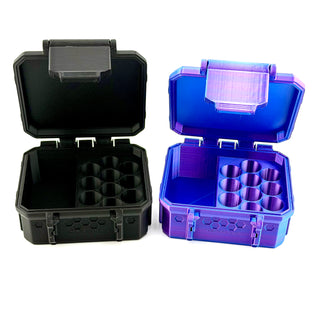
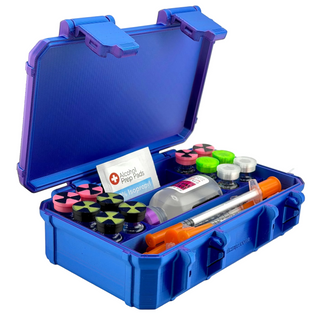
Find your perfect case
Hard-shell, dust-free storage for every vial size. Made in the USA and backed by our 30-day guarantee.
Shop 3 mL Vial Cases →