
Design Secrets of Vial Protection Accessories That Last
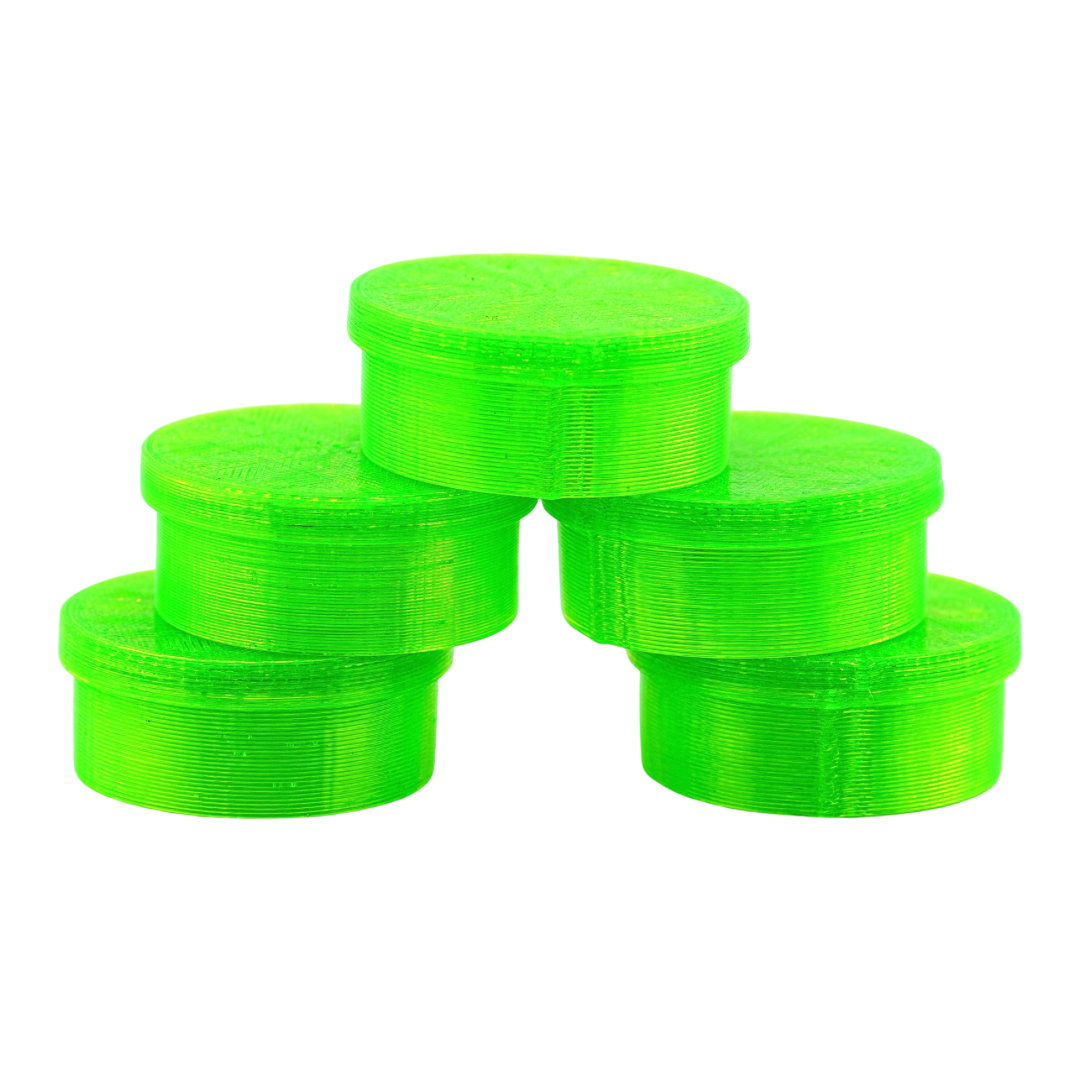
Updated on: 2026-05-22
Table of Contents
- Step-by-Step Guide to Vial protection accessories selection and setup
- Tips for vial protection accessories performance and savings
- FAQs about vial protection accessories
Broken vials slow teams down and inflate costs. The right vial protection accessories stop damage before it starts. In the first 100 feet of your workflow or in a cross-country shipment, purpose-built vial protection supplies—like snug vial sleeves and guards plus rigid vial transport cases—deliver a measurable difference. This article shows how to build a simple, scalable system that protects glass vials without slowing pack-out, and how to choose shock-resistant vial protection accessories for shipping and storage.
Step-by-Step Guide to Vial protection accessories selection and setup
Step 1: Assess your vial risk profile
Start by mapping where breakage happens: bench handling, cart moves, courier pick-up, or last-mile delivery. Note vial sizes (2 mL, 10 mL, 20 mL, and so on), closures, and whether you ship ambient, chilled, or frozen. This quick audit helps you select vial protective accessories that match both handling and transit forces. If most breakage occurs inside the box, focus on internal protection like sleeves and guards. If it occurs between facilities, add rigid vial transport cases with crush resistance.
Outcome: a short list of sizes, temperatures, and touchpoints that guides your purchasing and prevents mismatched components.
Step 2: Match sleeves and guards to vial size
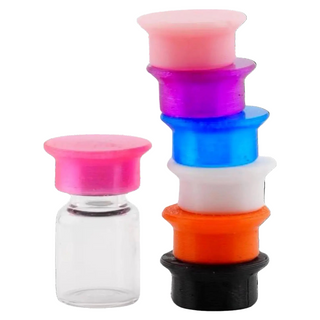
Choose vial sleeves and guards that fit each vial’s diameter and height. Silicone and plastic vial protection accessories for glass vials add a thin, impact-absorbing buffer that prevents glass-to-glass contact and edge chipping. For 2 mL vials, a snug silicone sleeve reduces slip while adding grip for gloved hands. For larger formats, consider ribbed guards that add standoff clearance inside cartons.
What to look for:
- Material: Silicone for flexibility and grip; engineered plastics for rigid edge protection.
- Fit: Minimal play—too loose increases impact energy, too tight may stress glass.
- Speed: Designs that slide on in one motion cut pack-out time and fatigue.
Result: vials that resist micro-impacts during handling and stacking, before they ever enter a shipping case. Browse sleeves and guards that fit common sizes and cut breakage at the source: Vial sleeves and guards.
Step 3: Choose secure vial transport cases
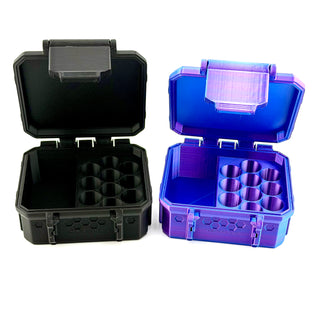
Next, add rigid vial transport cases that hold sleeved vials upright and separated. Look for cases with dense foam or molded inserts that isolate each vial. Latches and seals should stay shut if the case tips. For chilled or frozen shipments, choose cases that accept cold packs without putting vials against hard ice.
Selection checklist:
- Insert geometry that prevents side contact and cap abrasion.
- Crush resistance and drop protection from outer shell and foam density.
- Stackable design that keeps trays from sliding during courier handling.
Result: shock-resistant vial protection accessories for shipping that survive real-world drops and conveyor bumps. Explore rigid options that keep vials upright and secure: Vial transport cases.
Step 4: Pack for shock-resistant shipping
Combine sleeves and cases with a simple, repeatable pack method:
- Apply sleeves or guards to clean, dry vials.
- Load vials into case inserts—one per cavity, caps up.
- Fill any empty cavities with dummy plugs to stop foam flex.
- Place the case in an outer carton with perimeter padding.
- Keep cold packs physically separated with a barrier panel.
This setup uses layers to disperse energy: sleeves cushion each vial, the insert isolates them, and the outer carton absorbs drops. Together, these vial protection supplies reduce returns and rework.
Step 5: Label, document, and organize
Clear labels save minutes at every handoff. Color-code cases by temperature, and print carton labels with handling notes such as “Fragile—Upright.” Add a simple checklist in the box: number of vials, case ID, and pack date. Organized documentation reduces unnecessary inspections that can bump or tip your cartons.
Step 6: Inspect on arrival and store safely
On receipt, inspect seals, case latches, and the first tray. If everything is intact, move the case as a unit to storage. Avoid unloading vials one by one in high-traffic areas. Store cases on stable shelving with bump protection at the edge to stop accidental drops.
Short testimonial: “We added silicone guards and switched to molded cases. Breakage dropped to near zero, and pack-out time improved because the trays guide the process.” — Operations Manager, regional distributor
Tips for vial protection accessories performance and savings
- Right-size every component. A sleeve that fits the vial plus an insert cavity that fits the sleeve prevents clatter and edge impact.
- Standardize on two or three materials. Most teams do best with silicone for small vials and rigid plastic guards for larger ones.
- Design for speed. Choose sleeves with a taper or pull tab so gloved hands can apply them in seconds.
- Test the “tilt and tap.” Pack a case, tilt it 45 degrees, and tap the side. If vials rattle, tighten the fit or fill empty cavities.
- Use dummy plugs. Empty insert holes create flex that transfers shock to nearby vials.
- Schedule light drop tests. One controlled drop from desk height can reveal weak points before a full rollout.
- Plan for returns. Include a spare insert and a short repack note inside outbound cases to protect goods coming back.
- Bundle costs. Compare the cost of sleeves plus a reusable case against the expense of breakage, delays, and emergency reships.
Customer note: “We were replacing 2–3 vials per shipment. After moving to sleeves and a rigid case, replacements are rare, and our team spends less time repacking.” — Logistics Lead, supply company
Ready to build a simple kit of vial protective accessories? See core options and request guidance via the site: VialCase home. For sizing questions or volume options, reach out here: Contact.
FAQs about vial protection accessories
What accessories protect glass vials during shipping?
Use a layered system: sleeves or guards on each vial, a rigid insert that isolates each position, and a crush-resistant outer case. This combination spreads impact energy and stops glass-to-glass contact. For long routes or multiple handoffs, add perimeter padding in the shipper carton and keep cooling elements separated by a rigid barrier.
How do I choose the right vial protection accessories for 2 mL vials?
Start with silicone sleeves sized to the vial’s outer diameter for a snug fit. Pair them with an insert that holds sleeved vials upright without side play. If you ship chilled or frozen, choose a case that accepts cooling packs without letting vials touch cold sources. A simple test pack confirms fit and speed before you scale.
Is silicone better than rigid plastic for vial sleeves and guards?
Both have a role. Silicone grips and cushions small formats like 2 mL vials, making handling steady and reducing slip. Rigid plastics add edge protection and structure for larger vials or when you need standoff inside a tray. Many teams use silicone on smaller vials and rigid guards on larger ones to balance grip, speed, and impact control.
Are vial transport cases reusable?
Yes, many rigid cases with molded inserts are designed for repeated use when kept clean and undamaged. Reusability lowers cost per shipment and ensures consistent protection. Inspect latches, hinges, and inserts regularly, and retire any case that shows cracks or compression.
How do I justify the cost of vial protection supplies?
Model the cost of a broken vial: product loss, time to repack, and reship fees. Then compare that with the cost of sleeves plus a reusable case. Most teams see a fast payback because they avoid damage and reduce handling time. You also gain consistency, which cuts errors and delays.
Explore rigid cases and compatible sleeves to reduce breakage at scale: Cases and Sleeves. For guidance on a mixed-size kit, message the team: Get help.
Disclaimer: The information in this article is for general packaging and logistics guidance only. Always follow your organization’s protocols and applicable transport regulations for fragile items.

Elena Voss is an engineer and stylist passionate about designing functional yet stylish solutions for modern laboratories. With a background in engineering and product design, she brings creativity and precision together to make lab storage not only reliable but also visually appealing. Elena contributes expert insights and styling tips to help users maximize efficiency while maintaining a professional aesthetic.
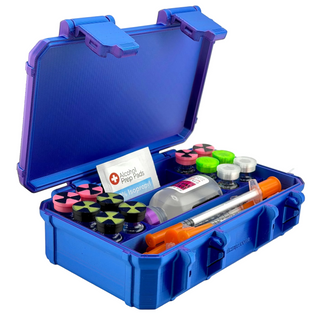
Find your perfect case
Hard-shell, dust-free storage for every vial size. Made in the USA and backed by our 30-day guarantee.
Shop 3 mL Vial Cases →