Traveling to Mexico with GLP-1 (Semaglutide, Tirzepatide) — How to Pack, Store & Choose the Right Travel Case
Updated on: 2026-05-22
Table of Contents
- Crossing into Mexico with peptides
- TSA & Mexican airport screening
- Storage & temperature control
- Choosing the correct travel case
- Recommended products (real items)
- FAQ
- Disclaimer
Shop Travel Cases Get Vial Caps
Crossing into Mexico with peptides
Whether you’re driving across at Tijuana, flying into Cancún, or docking at Cabo San Lucas, customs agents mainly care about clarity and organization. Peptides, GLP-1 injectables (like semaglutide or tirzepatide), and BAC water are not restricted when carried in personal-use quantities with visible labeling. Keep vials and syringes in a dedicated medical case—never loose or mixed with toiletries.
TSA & Mexican airport screening
U.S. TSA allows medically necessary liquids and injection supplies in carry-on when properly declared. Mexican airport security follows similar ICAO standards. Your goal: look organized, stay calm, and show documentation only if asked.
Documents & labeling
- Original pharmacy or compounding label with your name.
- Doctor’s note or printed prescription (optional but recommended).
- Printed card: “Medical supplies — peptides & syringes.”
Carry-on organization
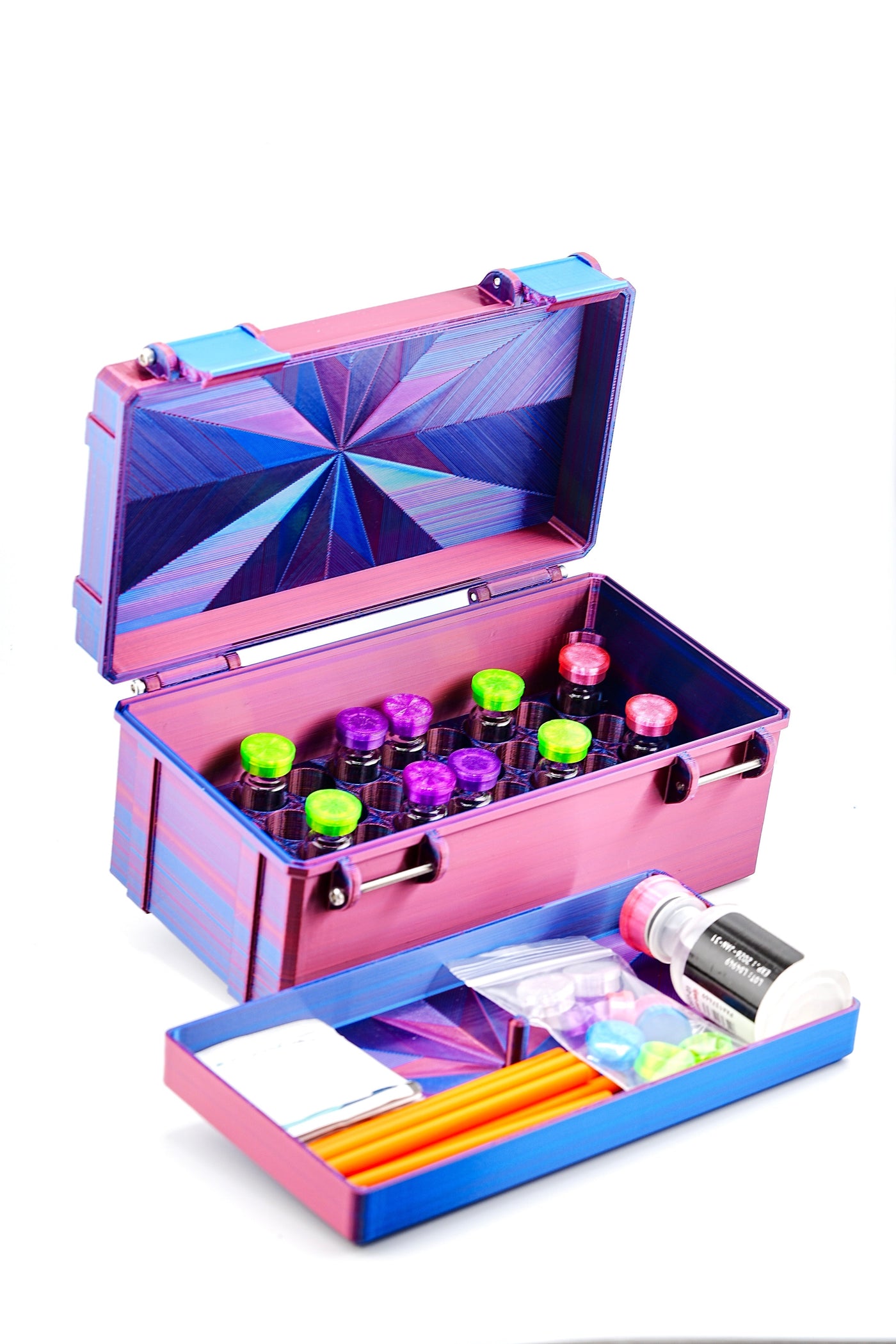
- Keep vials upright in a precision-cut or molded slot case.
- Store BAC water separately, labeled upright.
- Pack syringes capped in their own sleeve or mesh pocket.
- Keep gel packs sealed and ready to present as medically necessary cooling.
Storage & temperature control
Most GLP-1 medications (e.g., Ozempic®, compounded semaglutide, tirzepatide) require refrigeration between 2–8 °C / 36–46 °F until use. Peptides can vary by compound—always follow labeling. BAC water and un-mixed vials do not freeze; use insulated storage instead.
Fridge, freezer, or room temp?
- Refrigerate: GLP-1 pens and reconstituted peptides.
- Do NOT freeze: Peptides, BAC water, or insulin-style pens.
- Room-temp stable: Most dry peptide vials when sealed and protected from light.
Transport & day-trip tips
- Use an insulated case with gel packs during airport transfers and excursions.
- Keep the kit in your carry-on or shaded bag; avoid direct sun and hot car interiors.
- At hotels, place vials on a mid-shelf of the mini-fridge (never in the freezer section).
Choosing the correct travel case
A proper case does more than organize — it protects compound integrity. Choose based on your trip length and compound type:
- Weekend or short flight: 4-slot or 6-slot peptide case with one 30 mL BAC slot.
- Long trip or multi-compound user: 12–20 slot organizer with syringe storage and label visibility.
- Color-coded caps: Separate GLP-1, CJC-1295, or TRT vials using flexible snap-on vial caps.
Recommended products (real items)

20-Slot 3 mL Vial Case w/ Storage — organized carry-on setup for peptides & GLP-1 vials.

4-Slot 3 mL + 30 mL BAC Case — compact and TSA-friendly; perfect for carry-on or day-bag travel.

12×3 mL + 3×5 mL + 1× BAC Case — ideal for long trips or users with multiple compounds.

12×3 mL + 3×10 mL + 1× BAC Case — best for GLP-1 + TRT combo travel or longer holidays.

Flexible Snap-On Vial Caps — color-code your compounds; protect stoppers from dust & wear.
FAQ
Can I legally bring peptides into Mexico?
Yes, for personal use. Keep items labeled and in modest quantity. Declare “personal medical supplies” if asked.
Will airport security confiscate syringes?
No, if stored clean, capped, and declared for medical use. Keep them inside your travel case.
How should I store purchased peptides from a Mexican pharmacy?
Unmixed vials: room-temp shaded. Mixed or reconstituted peptides: refrigerated 2–8 °C. Use a dedicated case for transit home.
Do hotel mini-fridges work?
Yes, mid-shelf placement (avoid freezer section). Use a thermometer if possible; most mini-fridges stay 4–8 °C.
Disclaimer
This content is for informational and organizational purposes only. It does not provide medical or legal advice. Always confirm import/export limits, product labeling, and physician guidance before travel.

Practical checklists & gear picks so your peptide travel stays clean, simple, and stress-free.
Find your perfect case
Hard-shell, dust-free storage for every vial size. Made to order and backed by our 30-day guarantee.
Shop All Cases →