
Smart Vial Organizer Ideas for Safe Space-Saving Storage
Updated on: 2026-05-22
- Why a vial organizer matters for fast, error-free lab work
- Key benefits of a vial organizer, vial holder, and vial storage rack
- Use cases: getting more from your vial organizer system
- How to set up a vial organizer system that scales
- Vial organizer FAQs and clear answers
- Summary: choosing the right vial organizer for lasting results
- About the author
- Subsection: risks of disorganized vials
- Subsection: what to look for in lab vial rack designs
- Subsection: autosampler compatibility made easy
- Subsection: step 1 — audit sizes and volumes
- Subsection: step 2 — select the organizer format
- Subsection: step 3 — label and index your storage
- Subsection: step 4 — load vials and map positions
- Subsection: step 5 — maintain and scale your system
A reliable vial organizer is the backbone of a tidy bench and a resilient workflow. Whether you run QC, R&D, or an analytical lab, the right vial holder and vial storage rack eliminate mix-ups, speed up changeovers, and keep every sample within reach. In the first week of using a clear, labeled system, many teams report smoother handoffs and fewer re-labels. If you’re handling autosampler vials, cryovials, or a mix of sizes, this guide will help you choose a smart setup and put it to work right away.
Why a vial organizer matters for fast, error-free lab work
Every minute spent hunting for a misplaced vial is time away from results. A well-designed vial organizer changes that by giving every vial a clearly labeled home. Teams can see inventory at a glance, maintain chain-of-custody, and reduce handling. Over time, these small wins add up to measurable gains in throughput and fewer avoidable delays.
Risks of disorganized vials
- Mis-placed samples and late runs due to unclear storage.
- Duplicate prep from poor labeling and slot tracking.
- Accidental contact or tipping in crowded drawers.
- Inventory blind spots that lead to rush orders.
What to look for in lab vial rack designs
- Material durability: acrylic for clarity and rigidity; coated metal for heavy-duty use.
- Clear indexing: numbered, labeled slots that match your SOPs.
- Modularity: stackable units and footprints that fit benches, drawers, and cold storage.
- Compatibility: supports your vial sizes, from 2 mL autosampler vials to cryovials.
Autosampler compatibility made easy
For chromatography and routine analysis, a vial organizer for 2 mL autosampler vials ensures consistent handling and quick changeovers. Look for a stackable acrylic vial organizer with labeled slots so you can index every position and scale the system as methods grow. Many labs pair an open bench-top lab vial rack with a drawer-friendly tray to keep prepared vials protected until they are queued for runs.
Ready to upgrade your setup? Explore options and simple storage layouts on VialCase.
Key benefits of a vial organizer, vial holder, and vial storage rack
- Instant visibility: Transparent materials and labeled slots show exactly what’s available.
- Error reduction: A numbered system maps every vial to a method, technician, and run date.
- Speed: Reach for the right vial holder without digging through boxes or bags.
- Clean workflow: A proper vial storage rack keeps caps upright and prevents rolling.
- Scalability: Add stackable trays as you add methods and sample types.
- Traceability: Slot IDs integrate with LIMS or simple spreadsheets for quick lookups.
- Space efficiency: Vertical stacking and compact footprints free up bench space.
Use cases: getting more from your vial organizer system
Analytical labs running autosampler queues
Queue management gets easier when each rack equals one batch. Technicians pre-load a rack with 2 mL vials, scan the slot map, and pass the batch to the instrument. A consistent vial organizer cuts handoff time and clarifies ownership.
R&D benches with frequent method changes
Method development moves fast. A modular vial storage rack helps teams pivot without losing track. Use color-coded labels on the sidewalls to group related experiments, then archive completed sets in capped, dust-protected trays.
Cold storage with cryovials
For freezers and cold rooms, a cryovial organizer prevents tipping and preserves label legibility. Choose racks with deep wells and frost-friendly labeling. Keep a master index outside the unit to avoid door-open time.
Shared labs and teaching environments
In shared spaces, clarity is everything. Assign each team a dedicated vial holder and a unique color stripe. That way, racks move between benches without confusion, and every student or colleague knows what belongs where.
What customers say
- “Setup was quick, and the slot numbers made handoffs simple.” — Lab supervisor, analytical chemistry
- “We love the clear acrylic; you can confirm volumes at a glance.” — Research associate, process development
- “Stacking racks lets us grow without re-arranging the bench.” — Team lead, quality operations
See how a streamlined system could look in your space. Browse organizer layouts and simple implementation tips on vial organizers.
How to set up a vial organizer system that scales
The fastest way to succeed is to standardize on a simple, labeled layout. Use this plan to go from scattered vials to a reliable, expandable system.
Step 1: Audit sizes and volumes
List every vial you use by size and cap type, including 2 mL autosampler vials, cryovials, and any specialty formats. Count daily high-touch vials versus long-term storage. Note where they live today (bench, drawer, cold storage) and where they should live to reduce travel.
Step 2: Select the organizer format
Choose between a compact bench-top lab vial rack for in-use samples and a deeper tray or drawer module for backup sets. If you expect growth, prioritize a stackable acrylic vial organizer with labeled slots. Clear walls improve visibility, and rigid construction keeps rows aligned. For heavy environments, consider metal racks with anti-tip wells. If you work with autosamplers, verify the fit for 2 mL vials and caps; for cold storage, confirm compatibility with cryovial heights.
Step 3: Label and index your storage
Create a consistent indexing system (A1, A2… or 1–100). Apply labels on the rack’s top and front edge so both bench and drawer views are readable. Map slots to a simple spreadsheet or your LIMS. The key is consistency: position 1 always means the same thing in your SOPs and on your organizer.
Step 4: Load vials and map positions
Load by method or batch, not by the person. This keeps handoffs smooth and avoids “personal” systems that break when someone is out. If you rely on a vial holder near an instrument, mirror the same layout across teams so anyone can step in.
Step 5: Maintain and scale your system
Set a weekly check to clear empty slots, re-label worn markers, and archive completed runs. Add racks in matched increments to keep the slot map consistent as you grow. Because the system is modular, new hires can learn it in minutes, and experienced staff can manage larger queues without confusion.
Need help selecting the right components? Start with our quick overview and reach out via the contact section on contact.
Vial organizer FAQs and clear answers
What is the best way to store and organize sample vials in a lab?
The best approach is a standardized vial organizer with labeled slots and a matching digital map. Use a bench-top rack for active samples and a drawer or tray system for backups. Choose materials that fit the environment: clear acrylic for visibility on the bench, and deeper wells or frost-friendly labels for cold storage. Keep the same labels across all locations so your team never has to guess.
How many vials fit in a standard vial organizer and which sizes are compatible?
Capacity varies by design, but most compact racks hold several dozen 2 mL autosampler vials, and larger trays can scale to a few hundred positions. Many organizers include mixed-sized wells or removable inserts for flexibility. If you rely on cryovials, pick a cryovial organizer with deeper wells; for chromatography, verify 2 mL vial compatibility and cap clearance.
What’s the difference between a vial holder and a vial storage rack?
A vial holder typically means a smaller, portable rack you keep near instruments for active runs. A vial storage rack usually refers to larger, sometimes stackable modules used for staging, archiving, or cold storage. Most labs benefit from both: a holder for work-in-progress and a storage rack for reserve sets.
Do labeled slots really reduce errors?
Yes. Labeled, numbered slots support clear SOPs, traceable handoffs, and quick verification during audits. A simple map linking slot IDs to methods and dates makes it easy for any team member to find the right vial fast. Over time, the consistent layout becomes second nature and your error rate falls.
Summary: choosing the right vial organizer for lasting results
A well-chosen vial organizer transforms daily work. It shortens searches, clarifies ownership, and keeps batches moving. Start by auditing vial sizes, pick formats that match your bench and storage needs, and commit to a clear labeling system. For autosampler workflows, pair a bench-top lab vial rack with a drawer tray so you can prep ahead. For cold environments, choose a robust cryovial organizer. When in doubt, modular, stackable systems offer the easiest path to scale. Ready to build a simple, reliable setup? Browse proven layouts and get the essentials on shop organizers.
About the author
Elena Voss helps lab teams streamline sample handling and bench organization. She focuses on clear, repeatable systems that reduce errors and make work easier for busy scientists and technicians. When she is not mapping workflows, she writes practical guides that turn cluttered benches into organized, scalable spaces.

Elena Voss is an engineer and stylist passionate about designing functional yet stylish solutions for modern laboratories. With a background in engineering and product design, she brings creativity and precision together to make lab storage not only reliable but also visually appealing. Elena contributes expert insights and styling tips to help users maximize efficiency while maintaining a professional aesthetic.
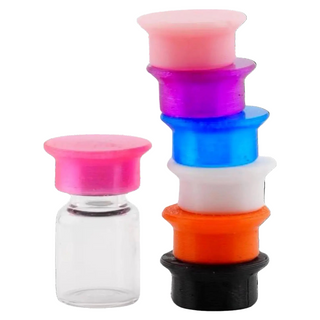
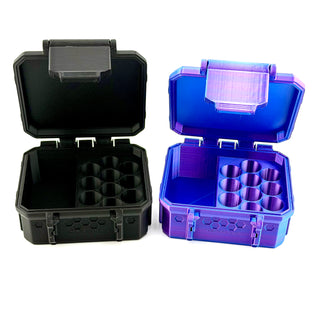
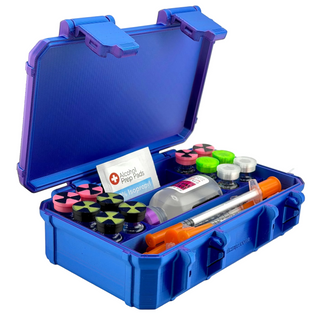
Find your perfect case
Hard-shell, dust-free storage for every vial size. Made in the USA and backed by our 30-day guarantee.
Shop 3 mL Vial Cases →