
Medical Vial Case Mistakes That Compromise Safety and Care
Updated on: 2026-05-22
Table of Contents
- Why a medical vial case matters for safe, compliant transport
- How to choose the right medical vial case for your workflow
- How to pack and carry a medical vial case in 7 steps
- Product features that set a medical vial case apart
- Use cases and testimonials from the field
- Quick comparison: vial storage case vs vial carrying case vs vaccine transport case
- FAQ about choosing and using a medical vial case
- Disclaimer
Why a medical vial case matters for safe, compliant transport
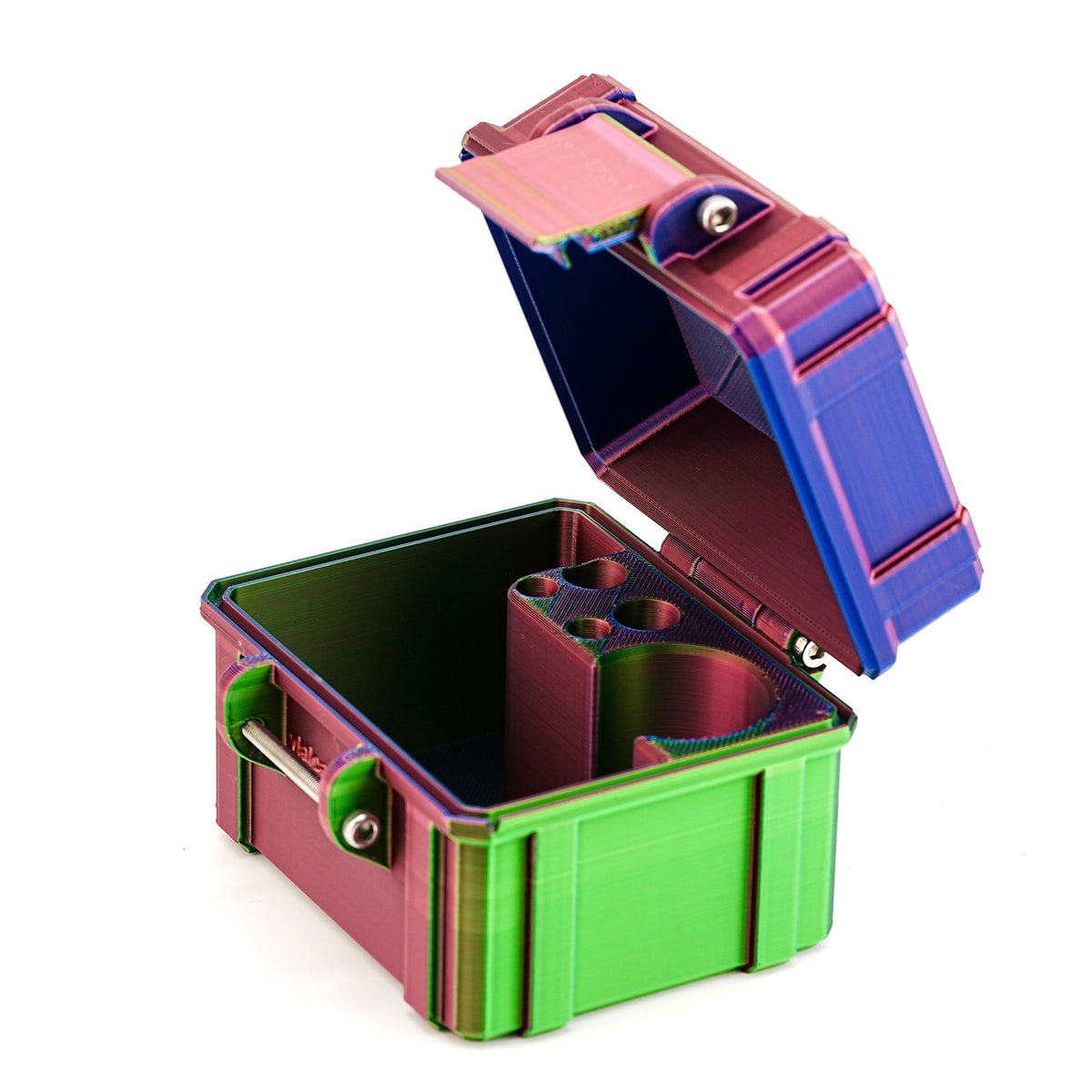
If your team handles delicate vials, you already know a medical vial case is more than a box. It is the foundation for organized storage, safer transport, and consistent handling from facility to field. The right case reduces breakage, keeps vials upright, and helps maintain a controlled environment. A quality vial storage case or vial carrying case prevents mix-ups with labeled foam slots, keeps contents stable during movement, and gives staff confidence that the job will be done right the first time.
When operations scale, small issues become costly. A loose cap, a mislabeled vial, or a sudden temperature swing can cause delays and rework. A dedicated medical vial case minimizes these risks with purpose-built organization and insulation. It also streamlines daily routines: staff know exactly where each vial goes, which cuts packing time and improves chain-of-custody documentation. If you’re evaluating a vaccine transport case or a broader cold-chain solution, beginning with a durable, insulated medical vial case for cold chain transport is a simple upgrade that pays off every day in the field.
How to choose the right medical vial case for your workflow
Capacity and sizing for popular vial formats
Select capacity based on vial volume and height. Many teams carry a mix of 2 mL, 5 mL, and 10 mL vials. Foam inserts with pre-cut slots keep each vial upright. For compact kits, a 12–24 slot organizer suits outreach or point-of-care use. For higher volume routes, 36–72 slot configurations keep stock secure without stacking.
- 2 mL and 5 mL vials: Choose tighter foam density to prevent wobble.
- 10 mL vials: Confirm slot diameter and depth to keep caps protected.
- Mixed sizes: Look for modular foam with removable plugs to adapt slot size.
Pro tip: If you anticipate growth, select a slightly larger vial organizer. Extra slots support surge days without needing a second case.
Insulation, foam, and lock options
Insulation matters when routes involve variable temperatures. An insulated medical vial case for cold chain transport helps buffer against ambient changes during loading, transit, and delivery. Pair insulation with fitted foam to prevent contact and shock. A medical vial case with foam insert and secure lock also protects against accidental opening and supports tamper-evident seals.
- Insulation: Double-wall shells and gasketed lids help retain internal conditions.
- Foam inserts: Closed-cell foam absorbs vibration and resists moisture.
- Security: Latch design and locking points allow sealed or locked transport.
Mobility, durability, and labeling
Look for rugged shells, reinforced hinges, and easy-grip handles. A shoulder strap helps during long walks between buildings. Label panels on the lid and spine keep route info visible, while interior card slots hold checklists. For busy teams, an exterior pocket for a temp log or handheld tracker simplifies auditing.
Ready to compare sizes and layouts? Explore the current range here: medical vial case.
How to pack and carry a medical vial case in 7 steps
Step 1: Pre-condition the insulated case
Bring the case to a stable environment before loading. If you use cold packs, chill them according to their instructions and confirm they are dry to avoid condensation near labels. This step helps the insulated shell and foam insert start at the right baseline.
Step 2: Prepare foam inserts and labels
Confirm your foam layout matches today’s load. Add slot labels by lot, destination, or priority. A clear system prevents mix-ups and speeds counting at handoff.
Step 3: Load vials by size and priority
Place larger vials, such as 10 mL, into deeper or wider slots first, followed by 2–5 mL vials. Keep the most time-sensitive vials near the top or in a labeled corner for quick access at destination.
Step 4: Add temperature aids and indicators
If your workflow uses gel packs or phase-change packs, position them so they do not press directly on vials. Add indicators or loggers as required by your process. Keep everything stable to prevent movement.
Step 5: Close, lock, and document
Seal the lid, set the secure lock or tamper seal, and complete the handoff form. Note times, counts, and any special handling. Consistent documentation simplifies audits.
Step 6: Carry and stow for stability
Use the handle or strap to keep the case level. In a vehicle, place the case on a stable, flat surface where it will not slide. Avoid direct sunlight or heat sources.
Step 7: Receive, verify, and reset
At arrival, verify counts and labels, then log time. After unloading, remove used indicators and reset the case for the return trip. Wipe down interior surfaces and inspect the foam insert for wear.
Product features that set a medical vial case apart
Here is what to look for when comparing a vial carrying case designed for daily use:
- Precision foam inserts: Sized slots for 2 mL to 10 mL vials keep containers upright and separated. Removable plugs fit mixed loads without crushing labels.
- Insulated, gasketed shell: Helps buffer against ambient changes during transport and loading.
- Secure lock points: Accepts standard padlocks or tamper seals for controlled handoffs.
- Rugged build: Impact-resistant case walls, reinforced hinges, and fatigue-resistant latches.
- Labeling and checklists: Exterior label panels, interior card slots, and QR placement for digital logs.
- Carry comfort: Non-slip handle and optional shoulder strap for long routes.
- Modular capacity: Foam layouts from compact 12-slot kits to high-capacity organizers.
When your work calls for a dedicated transport solution, a vial carrying case configured with the right foam and lock options gives teams a reliable, repeatable routine.
Use cases and testimonials from the field
Mobile clinic and outreach programs
Teams that run pop-up events need gear that is organized and fast. With a labeled foam grid, staff can count, verify, and hand off in minutes. One program coordinator shared that switching to a medical vial case cut their packing time by half and reduced missed items at breakdown. The exterior label panel and color-coded foam rows made it clear where each vial should go, even for new volunteers.
Pharmacy and courier routing
Couriers value ruggedness and simple handling. A secure lock and gasketed lid help preserve the internal environment from pickup to delivery, and the rectangular footprint fits neatly into vehicle bins. A courier manager told us their drivers prefer cases with a side label window so they can confirm route IDs without opening the lid.
Lab, research, and quality control
In labs, precision and documentation come first. Foam inserts with alphanumeric slot maps help track vials across runs. A lab tech shared that using a dedicated vial organizer eliminated confusion between similar containers. The case keeps everything upright between benches and rooms, reducing accidental contact or mix-ups.
Quick comparison: vial storage case vs vial carrying case vs vaccine transport case
Each term points to a slightly different focus, and your choice depends on the task.
- Vial storage case: Emphasis on organization and protection during storage and short moves within a site. Often prioritizes foam layout and labeling.
- Vial carrying case: Built for transport between sites. Adds rugged shells, lock points, and carry options.
- Vaccine transport case: A specialized insulated solution for cold-chain workflows. Often paired with indicators or loggers. When evaluating, consider an insulated medical vial case for cold chain transport that fits your route timing and handling needs.
When you need a dedicated solution that bridges storage and transport, start here: vial storage case and upgrade to route-ready insulation as your needs grow. If your task is focused on controlled transport, see: vaccine transport case.
FAQ about choosing and using a medical vial case
What size medical vial case do I need for 10 mL vials?
Choose a case with foam slots sized for 10 mL diameter and height, leaving space for caps and labels. If you carry both 10 mL and smaller vials, select modular foam with removable plugs. A 24–36 slot layout is a practical starting point for mixed-load routes.
Can a medical vial case maintain temperature for vaccines during transport?
A case with insulated walls and a gasketed lid can help buffer internal conditions during transport when paired with approved temperature aids and indicators. Always follow your organization’s handling procedures and validated packing methods for your specific materials.
How is a vial organizer different from a general-purpose hard case?
A vial organizer is purpose-built with foam inserts sized for common vial formats, slots that keep contents upright, and labeling that supports clear identification. General cases may protect from impact but lack the precision and stability needed for vial handling.
When should I choose a secure lock on a vial carrying case?
Use a secure lock or tamper seal whenever chain-of-custody records are required, or when multiple stops and handoffs are part of the route. Locking points also prevent accidental opening in transit.
Ready to upgrade your kit? Compare configurations and capacity options now: medical vial case.
Disclaimer
The information in this article supports product selection and logistics planning only. It does not offer medical advice or guidance on clinical use. Always follow your organization’s protocols and applicable regulations for handling and transport.

Nick Belor is a vial storage expert with years of experience in laboratory practices, safe handling, and vial protection systems. As a enginner for VialGuard, he shares practical tips and guides to help researchers, healthcare professionals, and everyday users store and transport vials securely.
Find your perfect case
Hard-shell, dust-free storage for every vial size. Made in the USA and backed by our 30-day guarantee.
Shop 3 mL Vial Cases →